
Why you need a SaaS management platform in 2026

Originally published January 2021 | Updated May 2026
The TL;DR on SaaS management platforms for SaaS operations in 2026
In an AI-driven world, it’s clear why you need a SaaS management platform (SMP) and it is no longer optional. It’s now critical infrastructure for operational efficiency, automated policy enforcement, and robust SaaS and AI governance. Today’s all-in-one SMPs are the connective tissue in today’s tech stack for:
- Providing total visibility
- Crushing Shadow AI risks
- Automating cross-app workflows
- Controlling costs
- Ensuring secure innovation at scale
Stop the reactive firefighting and start governing your SaaS ecosystem like the strategic asset it is.
Picture this: Your teams are powered by cutting-edge AI tools, collaborating seamlessly, and moving at lightning speed. But underneath? An uncontrolled sprawl of apps, integrations, and users. There are also escalating costs, random apps popping up, potential sensitive data leaks, hidden risks and manual processes, draining your team’s energy. This is exactly why you need a SaaS management platform (SMP).
In this article, we dive into:
- A SaaS management platform’s purpose
- Challenges that make it critical IT infrastructure now
- How SMPs help manage SaaS
- The playbook for getting started with using a SaaS management platform for your SaaS operations
What is the purpose of a SaaS Management Platform?
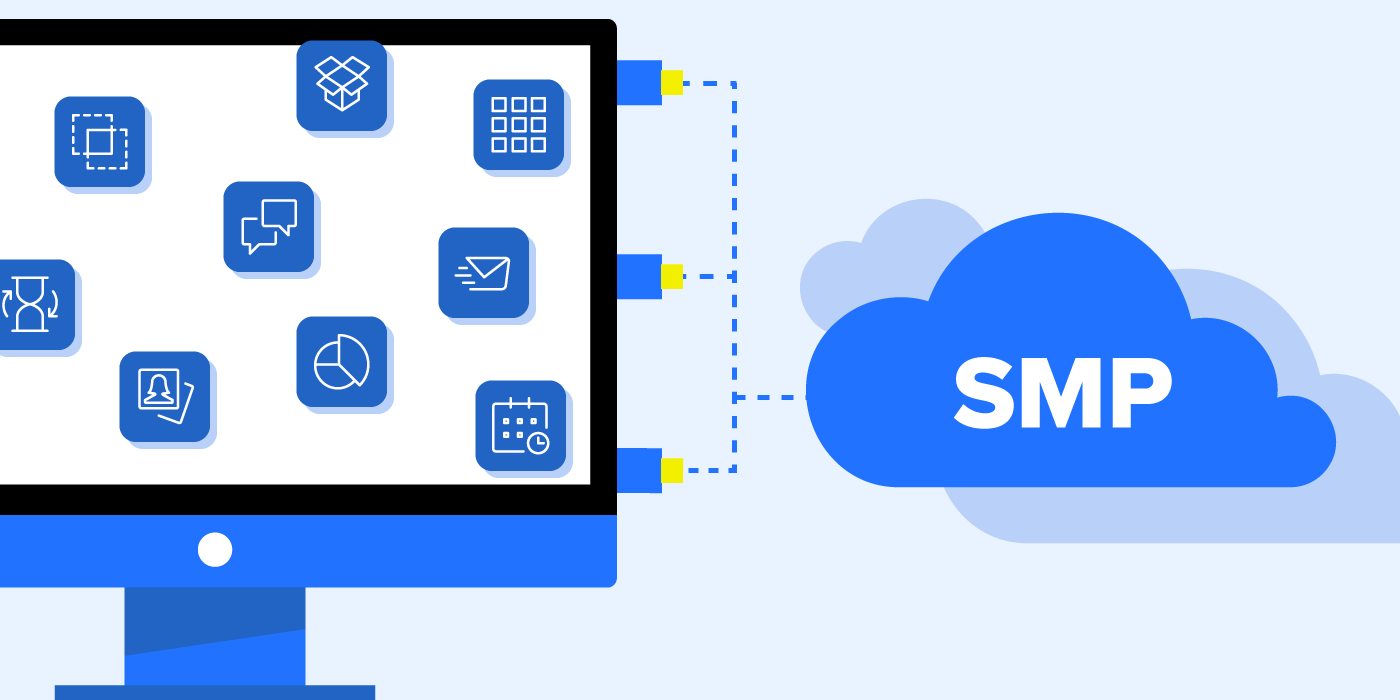
Serving as the central orchestration layer for your entire SaaS and AI app ecosystem, a SaaS management platform acts as your stack’s central nervous system. Built for today’s dynamic, AI-infused, subscription-based world, an SMP goes far beyond traditional tools by providing the infrastructure and functionality needed to thrive amid rapid change.
Providing discovery, automation, security, compliance, and spend optimization from one console, the SMP’s purpose is well beyond basic app inventory. It now acts as the primary AI governance and control system, helping organizations safely harness AI.
Why you need a SaaS management platform stems from what makes your SMP indispensable:
- Complete visibility: Discover and inventory every application, including sanctioned tools and hidden Shadow AI to tackle cost inefficiency.
- Automated policy enforcement: Apply consistent rules for access, data handling, and usage across your entire stack without manual effort. Limit over-provisioned access, risky file sharing in AI apps, and data leakage. Monitor non-human identities like AI agents and service accounts.
- Operational efficiency: Streamline user lifecycle management, license optimization, and routine tasks so teams focus on high-value work.
- SaaS and AI governance: Assess risks, enforce AI-specific policies, and maintain compliance in real time.
- Actionable intelligence: Deliver insights that drive smarter decisions, cost control, and maximum ROI.
In essence, these platforms transform SaaS from an unseen and expanding expense into governed, efficient infrastructure that powers business agility in an AI-first world.
What are the challenges that make SMPs critical IT infrastructure?
AI adoption is accelerating and reinvigorating the SaaS sprawl faster than most organizations can handle. Employees adopt and abandon tools at incredible speed, creating blind spots that traditional, manual approaches simply cannot address.
Hello Shadow AI!
Employees are having a field day with AI writing assistants, code generators, data wizards, and autonomous agents. Without IT involvement, your users quickly adopt, as well as abandon, these tools.
So welcome to Shadow AI, the supercharged cousin of Shadow IT. By the numbers, it is the next evolution of SaaS risk. According to IBM’s 2025 Cost of a Data Breach Report, published last December:
- 20% of breaches are now linked to Shadow AI
- On average, they cost $670,000 per incident
- 97% of organizations experiencing AI-related incidents lacked proper AI access controls, while 63% had no formal AI governance policies
BetterCloud research reinforces this reality. The average company manages around 106 SaaS applications, with nearly half of IT teams concerned about missed offboarding steps that leave orphaned accounts exposed. Additionally, 21% of organizations discovered unauthorized SaaS apps added or expensed by users in the past year alone.
Shadow AI and Shadow IT create some wild, new challenges like:
- Sensitive company data dribbling into unknown AI models
- Compliance headaches with fast-evolving AI regulations
- Unknown and unchecked app integrations
- Overlapping tools that drain dollars
- Usage or action-based pricing models with runaway costs
- Brand-new security risks unique to AI
To successfully address this challenge, IT leaders must manage Shadow AI now. A modern SaaS management platform cuts through all this noise by giving real-time eyes on everything—from apps to integrations to budgets—that operates across your organization. And if you still think your giant spreadsheet can handle it, let’s consider what makes it inadequate.
Why manual management is impossible
That spreadsheet workbook that has evolved since 2018 might be a work of art to you. But wrangling SaaS and AI tools with spreadsheets and endless browser tabs is not a scalable SaaS operations process.
Rather, it’s a relic of a bygone era that results in:
- Hours wasted on every single offboarding
- Inconsistent policies across dozens of admin consoles
- Missed risky AI tools that quietly store your data
- IT teams stuck in reactive firefighting mode instead of driving strategy
The bottom line: Manual processes are exhausting, error-prone, and completely unsustainable when AI adoption is growing exponentially.
These issues highlight why a SaaS management platform has become critical infrastructure. Spreadsheets simply cannot deliver the cross-app automation, automated policy enforcement or AI governance required today.
How an SMP delivers IT operational efficiency wins
- Zero-touch automated user provisioning and deprovisioning
- Centralized dashboards for accurate, real-time quick takes of your stack
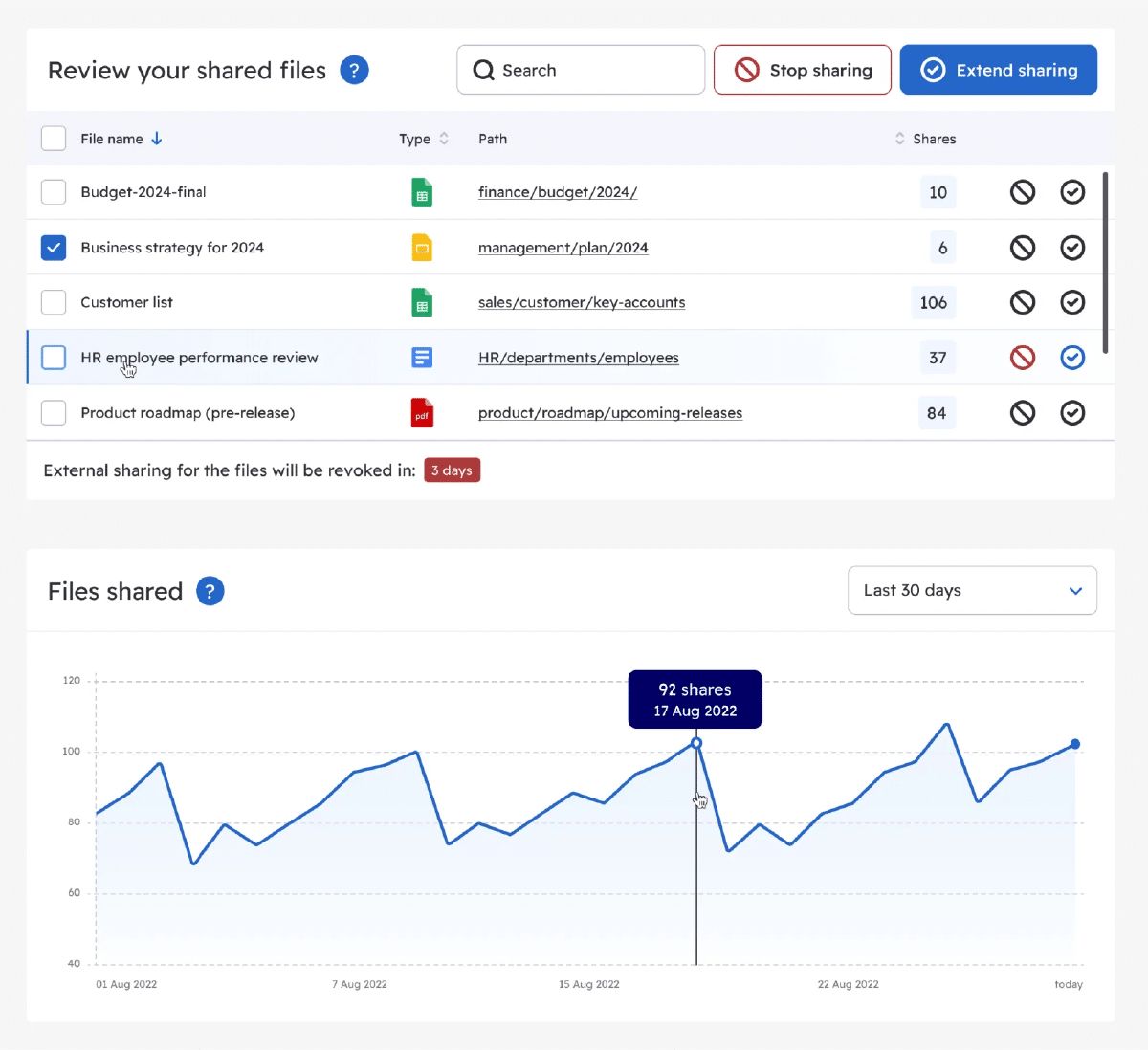
- File sharing permissions at-a-glance
- Smart recommendations to eliminate duplicate apps and wasted licenses
- Automated workflows that free your team for high-impact work
How to manage SaaS with an SMP in 2026
This is where things get fun. Now that you understand why you need a SaaS management platform and its purpose, it’s time to manage SaaS in practice. It starts with a strong platform that flips the script from chaos to calm through visibility, smart automation, and continuous governance.
Complete visibility: The foundation of smart SaaS governance
Full visibility isn’t just nice—it’s the starting point, because you can’t secure or manage what you don’t know.
Why visibility matters for managing Shadow AI and IT
Modern platforms shine a spotlight on:
- Every sanctioned and unsanctioned app
- Engagement and usage patterns, as opposed to guesses
- AI plugins have read/write access to your company’s data
- Data flows and OAuth permission chains
- Cost and license optimization opportunities
Transform visibility into proper IT governance
Armed with real insights, leaders can:
- Make confident decisions about which AI tools to sanction company-wide
- Balance innovation speed with risk management
- Maintain audit-ready records every day without the scramble
- Build a culture of responsible SaaS and AI usage
With the right SaaS management platform, governance evolves from a quarterly headache into a natural part of daily operations for safe, efficient AI-related gains.
Maintain your AI-era shield with automated security policies
As you already know, AI tools introduce exciting capabilities and murky new risks. Don’t leave protection to chance. With a SaaS management platform, you can:
- Automatically detect and block risky AI applications
- Enforce data loss prevention (DLP) on AI conversations
- Apply consistent access controls and MFA across every tool
- Monitor for suspicious behavior in real time
- Stay aligned for compliance with GDPR, SOC 2, and emerging AI regulations
Set it once, sleep easy at night.
Getting started: Using a SaaS management platform for SaaS operations the smart way
To jumpstart your use of a SaaS management platform, here’s a quick rundown of actionable 2026 best practices for SaaS operations.
1. Get total visibility first
Start with comprehensive discovery across all apps, including Shadow AI and AI assistants. Use your SMP to map usage, identify redundancies, and understand actual adoption patterns.

2. Automate user lifecycle management
Automate onboarding/offboarding, access reviews, and license provisioning. This reduces orphaned accounts and ensures former employees lose access instantly.
3. Establish a strong governance framework and policies
Create clear AI and SaaS usage policies. Your SMP should enforce them automatically to execute tasks like blocking high-risk tools or requiring approvals for new apps).
4. Optimize spend continually
Track usage vs. licenses in real time. Negotiate better terms, eliminate waste, and shift toward usage-based pricing intelligence. Organizations with mature SaaS management save millions annually.

5. Prioritize security and compliance
Continuously monitor configurations, permissions, file sharing permissions, and data flows. Integrate with your broader security stack for unified risk scoring.
6. Foster cross-functional ownership
Move beyond IT-owned SaaS management. Involve FinOps, procurement, security, and business units for shared accountability.
7. Review and iterate quarterly
Use renewal intelligence dashboards to make data-driven decisions well before contracts expire.

And the best part for IT teams? Time savings.
Suddenly, what used to take half a day happens in minutes. Your IT heroes can finally breathe and focus on initiatives, like AI, that move your business forward.
Pro tip: Since agentic automation will separate leaders from laggards in 2026, choose an SMP with strong features to manage AI-enabled applications
Take control of your AI-powered future
In an AI-driven world, trudging through unscalable, manual processes and hoping for the best is not a strategy for success.
A SaaS management platform delivers the complete visibility, cross-app automation capabilities, policy-enforced security, IT operational efficiency, and proper IT governance you need to thrive.
Ready to bring order to your AI and SaaS operations? Check out this SaaS operations checklist, learn all the latest SaaSOps terms, or request a demo to see how BetterCloud, a CoreStack company, can transform your SaaS management approach.
FAQs on why you need a SaaS Management Platform
Why do you need a SaaS Management Platform in 2026?
You need a SaaS management platform in 2026 to keep pace with rapid AI tool adoption while preventing Shadow AI risks, data leaks, and uncontrolled costs.
Why do I need a SaaS Management Platform if we’re already using AI tools?
You need a SaaS management platform if you’re already using AI tools because these software apps amplify traditional SaaS problems like out-of-control costs, security incidents and breaches, and operational inefficiencies. An SMP provides the visibility and automated controls needed for safe, compliant scaling.
How does a SaaS Management Platform help manage Shadow AI?
A SaaS management platform helps with Shadow AI by discovering unsanctioned AI tools automatically, continually assessing risks, and letting you apply governance policies quickly using automated policy enforcement.
Does a SaaS Management Platform deliver cost savings?
A SaaS management platform delivers cost savings by helping organizations recover 15 to 30% of total SaaS spend in the first year by optimizing AI and non-AI tools alike.
Is a SaaS Management Platform only for large enterprises?
No. SaaS management platforms are not only for large enterprises. Any organization experiencing fast AI adoption (even mid-sized) benefits from visibility and automation.
How long does it take until we see value from a SaaS Management Platform?
After SaaS management platform deployment, it takes from days to about 3 months to see value from it. Upon the initial discovery, it surfaces cost and risk insights within days to weeks, with full governance and savings from automating SaaS operations in 1-3 months.

